Sermon from 3-23-14
Grace and peace to you from God the Father and from our Lord and savior Jesus the Christ. Amen.
Rob Bell’s latest book, What We Talk About When We Talk about God, is one of my most favorite books I’ve read so far. I think I’ve read it about three or four times now, including re-reading to lead our last week’s women’s book group. And I think I can say that we had a very good discussion.
However, I have one beef with Rob Bell’s book. On the surface this may seem a minor thing, easy to overlook, except it speaks directly to the story you just heard us read oh so dramatically just a few moments ago. Bell lists by example some of the many times Jesus went to the margins to encounter people who were despised, ignored, and outcast. One person he lists is a “thirsty, loose Samaritan women he wasn’t supposed to talk with.” It’s easy to think, what’s the big deal, Pastor Lydia? Isn’t what he says true? So please bear with me, because we just might find that Sesame Street was right, of these things just doesn’t belong.
Was she a woman? Well, yes, she was a woman at a time where it as not acceptable for respectable men to talk with respectable women unless accompanied by their respectable husband, brother, or other male relative. And yet, Jesus still talks to her.
Was she a Samaritan? Yes, and this is “strike two” against her, since Jews did not interact with Samaritans if they could help it. There was a long history of bad blood between the two groups. The Jews considered the Samaritans to be a kind of inferior, a watered-down version of themselves, because Samaritans intermarried with other groups of people, and they also had worship practices that were very different from that of the Jews. This woman belonged to this group. And yet, Jesus strikes up a conversation.
Was this woman thirsty? She almost certainly was. This was way before running water, which now we turn on without even thinking, whenever we wish a tall glass of cold water. If you wanted a glass of water at that time, or wanted to wash your clothes or your dishes or yourself, you had to carry a big jar of all the way out to the community well. And if you’ve ever gone camping or done gardening, you know that even just a little water can start to get very heavy, very heavy.
But was this woman “loose”? Or was she actually more of a loser in her own culture and society? This woman lived before no-fault divorce. She lived before women could vote, or have jobs outside the home, or control their own bank accounts, or have much say over their own lives. We can never really know what happened to her, but there are other possibilities besides being a serial bride - she could have been widowed five times and now considered cursed. She could have been unable to have children and have been cast off by each husband. Perhaps she lived with the sixth man because, by then, no one else would take her in and take care of her, under any circumstances.
In any case, she was judged by the other people in her community, so much so that she would prefer to carry her heavy water jar in the heat of the day – alone - rather than face the whispers and stares of the other women. But she is still being whispered about and stared at, two thousand years later, by preachers and theologians and writers who continue to hang the label of “loose” on this woman like a scarlet letter.
When this woman came to the well that day, she was not just physically thirsty, but emotionally and spiritually as well. Her relationships have failed her; her culture has failed her; and we may have failed her. She might have even wondered if God had failed her too. Her world had become a lonely wilderness, a harsh desert of shame. So the last thing she expected that day was to have a conversation with the savior of the world.
To Jesus, this woman is not her past. To Jesus, she is not defined by what she has or hasn’t done; she is not defined by who she’s with; she is not defined by gender or race or creed. To Jesus, she is a thirsty person in need of living water.
To Jesus, we are not defined by our past, or by what we’ve done or haven’t done, or by who we’re with or our race or gender or if we believe the “right” way. To Jesus, we are a thirsty people in need of living water.
Where we find her story in Rob Bell’s book is a chapter called “For.” Not the number four, but the preposition “for” - as in, to be in support of or on the side of or being concerned for the well-being of someone else. In this instance, Bell is making the case that God is for us. Through Jesus, God shows this woman that God is for her, that God has not forgotten her. Through Jesus, God also shows US that God is for US too, and has not forgotten us, either.
In this chapter, Bell writes: “The good news insists that God doesn’t wait for us to get ourselves polished, shined, proper, and without blemish – God comes to us and meets us and blesses us while we are still in the middle of the mess we’ve created. The good news isn’t us getting it together so that we can have God’s favor; the good news is us finding God exactly in the moment of our greatest not-togetherness.”
Jesus didn’t offer this woman living water once she’d gotten her life straightened out into something more socially acceptable. He offered her living water at her moment of greatest need.
Likewise, Jesus doesn’t wait to give us living water once we’ve gotten our lives all in order, because, frankly, that’s never going to happen. None of us have it all together, at least not for much longer than about 30 seconds. We’re too weighed down by the past, or too overwhelmed by the present, or too afraid of the future. There is no way that any of us can carry the deep well of burdens in our little water jar, at least not without falling over, over and over again. And we would rather suffer alone than face the humiliation of someone else seeing us in our weak moments.
But what if Jesus is FOR us? What if Jesus meets us right there, at the deep well of our s troubles, and offers to us something way better than anything our little bucket could ever hope to hold? What if Jesus turned us into bubblers?
Now, what’s a bubbler? It’s what people from Wisconsin call drinking fountains, like the ones we have over by the bathrooms. When I’m in an unfamiliar building and want a drink of water, without thinking I might ask for a bubbler. And that’s kind of what living water does. It bubbles up in you, sometimes quietly, sometimes suddenly with gusto, and almost always spilling out onto your shirt and out onto the people around you. This is the joy that Jesus gives us, that he called us as his beloved children and followers, and send us out into the world to splash other people.
And that’s exactly what happened to this abandoned and outcast Samaritan woman. She leaves her water jar at the well in her haste to tell others about this man who just might, maybe be the Messiah, the savior of the world. She became an evangelist, a preacher for her community, sharing her encounter with Jesus. In fact, she converted her whole town! All because she left her jar at the well and splashed the entire town with living water.
Because once we’ve tasted of the living waters, we just can’t keep it to ourselves. It’s time for you to become a bubbler, too. That’s right – I have a task for you to do! Try to tell one person this week about where Jesus has met you at the well and gave you the living water. It can be someone you know well, or it can be someone you don’t know. You can even use this sermon as an excuse, and say “One of my pastors told me to!” Call a friend, write a letter, write a blog, tweet it - It doesn’t matter how you do it, or when, or where, or to whom – they just might listen, and they just might also come to know Jesus, giver of living water, savior of the world. AMEN.
Tuesday, March 25, 2014

Thursday, March 13, 2014
Come and Die
Lent Reflection 3-12-14
May the words of my mouth and the meditation of our hearts be acceptable to you, O Lord, our rock and our redeemer, Amen.
I recently infiltrated a Bible study event hosted by the South East Pennsylvania Synod. And by infiltrated I mean I heard about it from a pastor friend in that synod and dutifully sent in my registration indicating my lunch preference. But the reason I went is because one of my seminary professors would be speaking, Dr. David Lose, professor, author, theologian, and blogger, and I guess you might go as far as to say I’m a bit of a groupie.
Everything he said that day I had heard before in his classes and lectures, but being on this side of ordination, actually being a pastor, I heard his words with new ears. I felt like I “got” what he was saying in a way that I hadn’t before.
This story that we have begun retelling tonight is a story that you also have probably heard before, maybe even many times. But right now, at this moment, during this season of Lent, you are in a different place than you were the last time you heard it. And though Jesus words don’t change from year to year, the meaning we find in them grows and changes, like a living thing.
One thing that never changes about Jesus is his funny way of bringing out both the best and worst in the people around him. For those who have experienced the healing and restoring power of Jesus, this man is someone we try, however haltingly, to imitate. For those who have a stake in the status quo, who want so badly to hold on to the darkness that is so familiar, Jesus must be rejected, even destroyed. In these old familiar stories, it’s pretty easy to identify who’s who. But this becomes much harder as we living in the middle of our own story. And sometimes, we are both kinds of people at the same time.
Our story begins this night at a party, which is as good a place as any for some drama, I guess. This gathering too is infiltrated by an unexpected guest – a “Jesus groupie” if you will. We don’t know who this woman is or where she came from – we only know that she is driven by one purpose, and one purpose only, to give Jesus a beautiful gift – a jar full of very expensive perfume, likely the most valuable thing she owned. This woman was the only one who did not abandon Jesus that night. Hers was the last kind act that Jesus experienced on that long night of suffering. She is the first of many faithful women who remained by Jesus’ side during his passion. And because of that, Jesus praises her, even though history does not even remember her name.
But on this night, up is down, and down is up. Just after the woman gives her costly gift, Judas sells his loyalty to Jesus at the cost of thirty pieces of silver. Judas, who was an invited guest to Jesus’ inner circle, is the one who betrays Jesus, while the nameless party-crashing woman is the one who gives Jesus comfort on the eve of his suffering. Jesus is again revealing both the very best and the very worst in us.
Most of the time, though, we are not all-out betraying Jesus as Judas did, but neither are we so eager to be as self-giving like this woman. Most of the time, we fall somewhere in between the two. We skirt around the edges of the path Jesus calls us to, professing our unending loyalty like Peter while at the same time sorrowfully wondering about our own unfaithfulness. We don’t want to betray Jesus, but at the same time, we are reluctant join Peter in his promise: “Even if I must die with you, I will not deny you.” We all know how that worked out for Peter, but could any of us truly say we would have acted any different that night?
Human beings are hard-wired for self-preservation. If anything, we are really, really good at avoiding death at all costs. Death, even if it is not a physical death, is frightening, disrupting, and upsetting. It causes fear and pain. And that is exactly where Jesus is headed. That is exactly where Jesus calls us to follow him.
As German pastor and theologian Dietrich Bonhoeffer once wrote: “When Christ calls [a person], he bids him come and die.” That’s not a very happy thought. But in a way, that’s what Lent is all about - clearing out all the stuff that we’ve let clutter up our lives, all the things that in the end aren’t really worth holding on to, but all the same, we are afraid to let go of.
When we follow Jesus’ call, our selfishness and greed are put to death. Our brokenness and separations are put to death. Our fear of the unknown is put to death. The darkness in our hearts is put to death. Even our death is put to death when Jesus calls us sinners to follow him.
Even as Jesus is face to face with his own suffering and death, Jesus gathers twelve very imperfect disciples to share in his last meal. He shares with them bread and wine, his body and blood, knowing full well that in just a few hours they will be scattered like frightened sheep and one will betray him. And yet, Jesus promises them that he will see them again, after he is raised, and he will go before them to Galilee, just as he went before us into death so that we, too, could have a share in death’s defeat.
But before that glorious resurrection dawn is a night as dark as death. Before the celebration of Jesus raised is the remembrance of Jesus betrayed and abandoned, of his body broken and blood poured out for many, for us, his imperfect disciples. During Lent we live inside story, as we are gathered together, sing hymns together, pray together, sit in silence together, waiting together in hope for that coming dawn to shine on us.
Amen.

May the words of my mouth and the meditation of our hearts be acceptable to you, O Lord, our rock and our redeemer, Amen.
I recently infiltrated a Bible study event hosted by the South East Pennsylvania Synod. And by infiltrated I mean I heard about it from a pastor friend in that synod and dutifully sent in my registration indicating my lunch preference. But the reason I went is because one of my seminary professors would be speaking, Dr. David Lose, professor, author, theologian, and blogger, and I guess you might go as far as to say I’m a bit of a groupie.
Everything he said that day I had heard before in his classes and lectures, but being on this side of ordination, actually being a pastor, I heard his words with new ears. I felt like I “got” what he was saying in a way that I hadn’t before.
This story that we have begun retelling tonight is a story that you also have probably heard before, maybe even many times. But right now, at this moment, during this season of Lent, you are in a different place than you were the last time you heard it. And though Jesus words don’t change from year to year, the meaning we find in them grows and changes, like a living thing.
One thing that never changes about Jesus is his funny way of bringing out both the best and worst in the people around him. For those who have experienced the healing and restoring power of Jesus, this man is someone we try, however haltingly, to imitate. For those who have a stake in the status quo, who want so badly to hold on to the darkness that is so familiar, Jesus must be rejected, even destroyed. In these old familiar stories, it’s pretty easy to identify who’s who. But this becomes much harder as we living in the middle of our own story. And sometimes, we are both kinds of people at the same time.
Our story begins this night at a party, which is as good a place as any for some drama, I guess. This gathering too is infiltrated by an unexpected guest – a “Jesus groupie” if you will. We don’t know who this woman is or where she came from – we only know that she is driven by one purpose, and one purpose only, to give Jesus a beautiful gift – a jar full of very expensive perfume, likely the most valuable thing she owned. This woman was the only one who did not abandon Jesus that night. Hers was the last kind act that Jesus experienced on that long night of suffering. She is the first of many faithful women who remained by Jesus’ side during his passion. And because of that, Jesus praises her, even though history does not even remember her name.
But on this night, up is down, and down is up. Just after the woman gives her costly gift, Judas sells his loyalty to Jesus at the cost of thirty pieces of silver. Judas, who was an invited guest to Jesus’ inner circle, is the one who betrays Jesus, while the nameless party-crashing woman is the one who gives Jesus comfort on the eve of his suffering. Jesus is again revealing both the very best and the very worst in us.
Most of the time, though, we are not all-out betraying Jesus as Judas did, but neither are we so eager to be as self-giving like this woman. Most of the time, we fall somewhere in between the two. We skirt around the edges of the path Jesus calls us to, professing our unending loyalty like Peter while at the same time sorrowfully wondering about our own unfaithfulness. We don’t want to betray Jesus, but at the same time, we are reluctant join Peter in his promise: “Even if I must die with you, I will not deny you.” We all know how that worked out for Peter, but could any of us truly say we would have acted any different that night?
Human beings are hard-wired for self-preservation. If anything, we are really, really good at avoiding death at all costs. Death, even if it is not a physical death, is frightening, disrupting, and upsetting. It causes fear and pain. And that is exactly where Jesus is headed. That is exactly where Jesus calls us to follow him.
As German pastor and theologian Dietrich Bonhoeffer once wrote: “When Christ calls [a person], he bids him come and die.” That’s not a very happy thought. But in a way, that’s what Lent is all about - clearing out all the stuff that we’ve let clutter up our lives, all the things that in the end aren’t really worth holding on to, but all the same, we are afraid to let go of.
When we follow Jesus’ call, our selfishness and greed are put to death. Our brokenness and separations are put to death. Our fear of the unknown is put to death. The darkness in our hearts is put to death. Even our death is put to death when Jesus calls us sinners to follow him.
Even as Jesus is face to face with his own suffering and death, Jesus gathers twelve very imperfect disciples to share in his last meal. He shares with them bread and wine, his body and blood, knowing full well that in just a few hours they will be scattered like frightened sheep and one will betray him. And yet, Jesus promises them that he will see them again, after he is raised, and he will go before them to Galilee, just as he went before us into death so that we, too, could have a share in death’s defeat.
But before that glorious resurrection dawn is a night as dark as death. Before the celebration of Jesus raised is the remembrance of Jesus betrayed and abandoned, of his body broken and blood poured out for many, for us, his imperfect disciples. During Lent we live inside story, as we are gathered together, sing hymns together, pray together, sit in silence together, waiting together in hope for that coming dawn to shine on us.
Amen.
Tuesday, March 11, 2014
Sermon from Feb. 16th
Grace and peace to you from God our father and from our Lord and savior Jesus the Christ, amen.
A week ago I got to spend the weekend with a hundred and fifty high school Lutherans and their adults from all over New Jersey. As you might expect, we had plenty of fun and not enough sleep, and I was very blessed to be the chaplain for the event. But as much as I was teaching and preaching and ministering to others that weekend, I was also continually learning from, and being surprised by, and being MINISTERED TO by others.
Here is just one example. It’s a Saturday night tradition at that event to have an open mike night after evening worship, and normally kids sign up to sing their favorite song or play the guitar. But one act surprised us all. It was stand-up, and the youth who was “standing up” was a girl. That’s not a sight you normally see, not even on TV. You might be able to name one or maybe two famous female comediennes, and here was this young woman, taking a risk, standing up in front of her peers, and she was funny.
She began her routine by describing what it was like to ride down to this youth event with her pastor at the wheel. This pastor, like someone you may know, was not originally from New Jersey and was also still coming to terms with the interesting traffic on the turnpike. When being cut off, this youth informed us, the pastor might yell, “son of a… child of God!” … Or when someone would suddenly slow down for no apparent reason, causing her to slam on her brakes, she would say, “God… bless you!”
We “adult-type-people” sitting in the back were practically rolling on the floor laughing. It was nice to know that someone else also felt the same frustration that I did about some of the crazy driving I’ve encountered around here! But at the same time I was laughing, I was also cringing a little bit inside. Because I’ve been there. I’ve been the person being cut off, and I’ve said some pretty unkind things alone in the safety of my vehicle. We all knew what this pastor had wanted to say, and we all knew that at one time or another we all had said those things, or we at least thought them.
In that moment, according to Jesus, when we let our anger get the better of us, and say things we will regret later, we are breaking the fifth commandment, and murdering the personhood of our brother or sister in our minds.
And so we’ve come to the part in Jesus’ Sermon on the Mount that is not so fun to listen to. After building us up for two weeks after hearing about being blessed if we are poor in spirit or mourning or peacemaking, and after hearing about how we are light and salt for the world, we get to the hard stuff in Jesus’s sermon. The gloves are off, the rubber has hit the road, the other shoe has dropped, and Jesus is done with the appetizers and is ready to get to the main course. And this is a tough meal that is pretty hard to swallow.
You might say that this is where being light intersects life – after talking about letting our light shine in the world, Jesus here it telling us how that’s done, example by example. And it sounds surprisingly hard. Because Jesus here is asking us, not just to keep the commandments of old, but to exceed them in a way that sounds beyond human ability.
I don’t know about you, but I think that the 10 commandments are just fine, as is. For the most part where we live it’s pretty easy to refrain from murdering someone. In fact, it’s pretty easy to go down the list of commandments and think we are doing ok – yup, respecting my parents, nope, didn’t steal anything today, nope, not coveting my next door neighbor’s house, and thank goodness they don’t have any slaves or oxen I can covet, so – whew- I guess I’m safe on that one.
But Jesus stops us in our self-congratulatory tracks. It’s one thing to do the minimum, to refrain from causing someone physical bodily harm. But if you are angry with your brother or sister, if you insult them and call them names, they are as good as dead to you, and you as good as murdered them in your mind. It’s not enough to simply refrain from cheating on one’s spouse. Every time someone looks at a woman in the media as an object to be desired, as a collection of body parts instead of a whole person, the deed is as good as done.
We don’t normally think of Jesus as talking this way. We would rather think about the Jesus that is all about love and tolerance and all that good stuff. Like, you’re good, I’m good, Jesus is good, we’re all good. Jesus loves me, this I know, so it’s ok if I curse out my neighbor on the road if they cut me off. Or, as I’ve seen one bumper sticker read: Jesus loves you, so I don’t have to. Love then, becomes a blanket over all the bad stuff I do, and makes it ok that I keep doing it. But thinking about love this way is about as effective as roses and chocolate one day a year, and misery the other three hundred and sixty-four.
But what does Jesus have to say about this crazy little thing called love? Another time Jesus says, Love your neighbor as you love yourself. As in, you see your neighbor not as an object to be coveted or as a means to an end to get what you want, but as a human being with thoughts and feelings, with hopes and dreams, with flaws and needs. Love means that we should treat everyone as if they are a beloved child of God. Because that’s what they are: beloved children of God.
So what if Jesus is reinterpreting these commands, which hopefully you remember way back from your confirmation class, not to control every aspect of our lives and make us miserable, but to help us love one another better? Perhaps then instead a list of things to avoid, these commands become the means of living a life that is full of real love and real relationships.
But how can we choose that kind of life? The deck is stacked against us: we live in a throw-away culture, where anything and everything is disposable – cups, plates, clothes, furniture …friendships, marriages, family ties. We are constantly told - if it’s worn out, throw it away. If it’s not useful anymore, throw it away. If there is a newer and better model, throw it away. If it’s inconvenient or too much work to maintain, throw it away. Take that annoying promotional for the show The Millers that is always on TV; the one where, after the son gets a divorce after three years, he “inspires” his parents to split up after 43 years of marriage. If it doesn’t make you happy, throw it away.
God will never throw us away. There is no relationship too fractured to be repaired, no sin too grievous to be forgiven, no night too dark to snuff out the light. Even when we don’t choose life – when instead we choose isolation over connection, fear over acceptance, hate over love, death over life, death does not have the final say. Life has the final say – the life that Jesus not only tells us about but also shows us in every moment of his life on earth. Jesus came to show us that love has the final say.
And we who are following in his footsteps are going to aren’t going to get it right all the time. We will continue to be the angry ones and the ones who cause others to be angry. Sometimes we will be ones doing the cursing in our cars and at other times we’ll be the ones doing the cutting-off on the turnpike. But if we choose to look at those around us through the eyes of Jesus, as beloved children of God, we infuse a healthy and much-needed dose of humanity back into the world. We can participate in the Kingdom of God here on earth. We will be the light of the world. We will be the salt of the earth. We will be servants of the living God, we will be, as Paul wrote, God’s field, and God’s building.
We become a blessing to one another. That same pastor, the one with the standup comedienne youth, came up to me after I had prayed individually over a long line of youth during the healing service, and she came and prayed for me and blessed me. In that moment I remembered that I too was a “daughter of a child of God.” Because all of us need reminding that we are beloved children of God, especially ourselves. AMEN.
A week ago I got to spend the weekend with a hundred and fifty high school Lutherans and their adults from all over New Jersey. As you might expect, we had plenty of fun and not enough sleep, and I was very blessed to be the chaplain for the event. But as much as I was teaching and preaching and ministering to others that weekend, I was also continually learning from, and being surprised by, and being MINISTERED TO by others.
Here is just one example. It’s a Saturday night tradition at that event to have an open mike night after evening worship, and normally kids sign up to sing their favorite song or play the guitar. But one act surprised us all. It was stand-up, and the youth who was “standing up” was a girl. That’s not a sight you normally see, not even on TV. You might be able to name one or maybe two famous female comediennes, and here was this young woman, taking a risk, standing up in front of her peers, and she was funny.
She began her routine by describing what it was like to ride down to this youth event with her pastor at the wheel. This pastor, like someone you may know, was not originally from New Jersey and was also still coming to terms with the interesting traffic on the turnpike. When being cut off, this youth informed us, the pastor might yell, “son of a… child of God!” … Or when someone would suddenly slow down for no apparent reason, causing her to slam on her brakes, she would say, “God… bless you!”
We “adult-type-people” sitting in the back were practically rolling on the floor laughing. It was nice to know that someone else also felt the same frustration that I did about some of the crazy driving I’ve encountered around here! But at the same time I was laughing, I was also cringing a little bit inside. Because I’ve been there. I’ve been the person being cut off, and I’ve said some pretty unkind things alone in the safety of my vehicle. We all knew what this pastor had wanted to say, and we all knew that at one time or another we all had said those things, or we at least thought them.
In that moment, according to Jesus, when we let our anger get the better of us, and say things we will regret later, we are breaking the fifth commandment, and murdering the personhood of our brother or sister in our minds.
And so we’ve come to the part in Jesus’ Sermon on the Mount that is not so fun to listen to. After building us up for two weeks after hearing about being blessed if we are poor in spirit or mourning or peacemaking, and after hearing about how we are light and salt for the world, we get to the hard stuff in Jesus’s sermon. The gloves are off, the rubber has hit the road, the other shoe has dropped, and Jesus is done with the appetizers and is ready to get to the main course. And this is a tough meal that is pretty hard to swallow.
You might say that this is where being light intersects life – after talking about letting our light shine in the world, Jesus here it telling us how that’s done, example by example. And it sounds surprisingly hard. Because Jesus here is asking us, not just to keep the commandments of old, but to exceed them in a way that sounds beyond human ability.
I don’t know about you, but I think that the 10 commandments are just fine, as is. For the most part where we live it’s pretty easy to refrain from murdering someone. In fact, it’s pretty easy to go down the list of commandments and think we are doing ok – yup, respecting my parents, nope, didn’t steal anything today, nope, not coveting my next door neighbor’s house, and thank goodness they don’t have any slaves or oxen I can covet, so – whew- I guess I’m safe on that one.
But Jesus stops us in our self-congratulatory tracks. It’s one thing to do the minimum, to refrain from causing someone physical bodily harm. But if you are angry with your brother or sister, if you insult them and call them names, they are as good as dead to you, and you as good as murdered them in your mind. It’s not enough to simply refrain from cheating on one’s spouse. Every time someone looks at a woman in the media as an object to be desired, as a collection of body parts instead of a whole person, the deed is as good as done.
We don’t normally think of Jesus as talking this way. We would rather think about the Jesus that is all about love and tolerance and all that good stuff. Like, you’re good, I’m good, Jesus is good, we’re all good. Jesus loves me, this I know, so it’s ok if I curse out my neighbor on the road if they cut me off. Or, as I’ve seen one bumper sticker read: Jesus loves you, so I don’t have to. Love then, becomes a blanket over all the bad stuff I do, and makes it ok that I keep doing it. But thinking about love this way is about as effective as roses and chocolate one day a year, and misery the other three hundred and sixty-four.
But what does Jesus have to say about this crazy little thing called love? Another time Jesus says, Love your neighbor as you love yourself. As in, you see your neighbor not as an object to be coveted or as a means to an end to get what you want, but as a human being with thoughts and feelings, with hopes and dreams, with flaws and needs. Love means that we should treat everyone as if they are a beloved child of God. Because that’s what they are: beloved children of God.
So what if Jesus is reinterpreting these commands, which hopefully you remember way back from your confirmation class, not to control every aspect of our lives and make us miserable, but to help us love one another better? Perhaps then instead a list of things to avoid, these commands become the means of living a life that is full of real love and real relationships.
But how can we choose that kind of life? The deck is stacked against us: we live in a throw-away culture, where anything and everything is disposable – cups, plates, clothes, furniture …friendships, marriages, family ties. We are constantly told - if it’s worn out, throw it away. If it’s not useful anymore, throw it away. If there is a newer and better model, throw it away. If it’s inconvenient or too much work to maintain, throw it away. Take that annoying promotional for the show The Millers that is always on TV; the one where, after the son gets a divorce after three years, he “inspires” his parents to split up after 43 years of marriage. If it doesn’t make you happy, throw it away.
God will never throw us away. There is no relationship too fractured to be repaired, no sin too grievous to be forgiven, no night too dark to snuff out the light. Even when we don’t choose life – when instead we choose isolation over connection, fear over acceptance, hate over love, death over life, death does not have the final say. Life has the final say – the life that Jesus not only tells us about but also shows us in every moment of his life on earth. Jesus came to show us that love has the final say.
And we who are following in his footsteps are going to aren’t going to get it right all the time. We will continue to be the angry ones and the ones who cause others to be angry. Sometimes we will be ones doing the cursing in our cars and at other times we’ll be the ones doing the cutting-off on the turnpike. But if we choose to look at those around us through the eyes of Jesus, as beloved children of God, we infuse a healthy and much-needed dose of humanity back into the world. We can participate in the Kingdom of God here on earth. We will be the light of the world. We will be the salt of the earth. We will be servants of the living God, we will be, as Paul wrote, God’s field, and God’s building.
We become a blessing to one another. That same pastor, the one with the standup comedienne youth, came up to me after I had prayed individually over a long line of youth during the healing service, and she came and prayed for me and blessed me. In that moment I remembered that I too was a “daughter of a child of God.” Because all of us need reminding that we are beloved children of God, especially ourselves. AMEN.
Wednesday, February 12, 2014
2014 Winter Youth Assembly sermon
Jeremiah 29:11-13
For surely I know the plans I have for you, says the Lord, plans for your welfare and not for harm, to give you a future with hope. Then when you call upon me and come and pray to me, I will hear you. When you search for me, you will find me; if you seek me with all your heart.
1 Timothy 4:12-16
Let no one despise your youth, but set the believers an example in speech and conduct, in love, in faith, in purity. Until I arrive, give attention to the public reading of scripture, to exhorting, to teaching. Do not neglect the gift that is in you, which was given to you through prophecy with the laying on of hands by the council of elders. Put these things into practice, devote yourself to them, so that all may see your progress. Pay close attention to yourself and to your teaching; continue in these things, for in doing this you will save both yourself and your hearers.
Matthew 5:13-16
“You are the salt of the earth; but if salt has lost its taste, how can its saltiness be restored? It is no longer good for anything, but is thrown out and trampled underfoot. “You are the light of the world. A city built on a hill cannot be hid. No one after lighting a lamp puts it under the bushel basket, but on the lampstand, and it gives light to all in the house. In the same way, let your light shine before others, so that they may see your good works and give glory to your Father in heaven.
Grace to you and peace from God our Father and our Lord and savior Jesus the Christ. Amen.
We’ve had and awesome Winter Youth Assembly 2014, haven’t we? We’ve done so much together – we’ve laid down our burdens together, we’ve sang with the awesome band together, eaten milkshakes together, eaten together, played games together, read the Bible together, talked about issues we are deeply passionate together, worshipped together, prayed together, learned about what the wider church is doing together, had too little sleep together – we’ve been the people of God together for the last thirty-six hours. And it’s been awesome. But now you have to leave.
In just a couple hours, you’ll be on your way home or home already, back to your own house and your own family and your own bed, with homework waiting to be done before school starts tomorrow. In just a few hours, we’ll all be back to our regularly scheduled lives. You’ll be back in a world that we talked about in open space yesterday – a world full of stress and scary things and big issues and everyday obstacles. That world waiting for won’t be any different from the one you left. But maybe this time, upon reentering that world, you’ll know who you belong to and who is the one walking with you in the chaos.
Today, before we go, Jesus has some words to say to us. What we just heard a moment ago and what you read in your small groups is from a larger section in the Gospel of Matthew called the Sermon on the Mount. It’s pretty much what it says it is – its Jesus first sermon, and he preaches it on a mountain. Well done, Bible scholars. Last we you might have hard your pastor preach on the Beatitudes, the “blessed are the ‘fill-in-the-blanks’” section. And this week, we hear the next movement of the sermon, about who we are and what we are for in this world. Jesus knows that up here on the mountain, things can feel pretty safe. We may even want to stay up here forever, chillin’ with Jesus. But we have to go down the mountain sometime, and Jesus is getting us ready.
Jesus tells us, “You ARE the light of the world.” Jesus did NOT say, “you are the light if you do A, B, and C.” He didn’t say, “You’ll be the light when you get older.” He didn’t say, “You’ll be the light when you get confirmed.” Jesus said, “You ARE the light” as in RIGHT NOW, this very moment.
That light does not come from you. It doesn’t come from how awesome you are at sports, or how good you are in school, or how many friends you have, or if you are good at singing or video games or knitting. It doesn’t come from doing everything right, being the perfect son or daughter or student or athlete. If it did, not a single one of us, even the adults, would be able to generate even the tiniest spark.
Instead, your light comes from being a child of God. Last night we remembered that God created us and knows us each by name. We remembered our baptisms, where God claimed each of us as daughters and sons through water and the Holy Spirit, who keeps that light burning in us. Our light comes from the source of all light, from the one who we are called to follow, Jesus.
Right now we’re in that in-between season of the church year, between Christmas and Lent, with the funny name – Epiphany. It is a time that is all about light. How the light of Christ first dawned on us as he was born in a manger in Bethlehem, how his light shone out during his ministry in his preaching and teaching and feeding and healing, how that light could not be put out even by death. Jesus entered into our darkness, bringing God’s healing light to all the dark and broken places. And by being a child of God, you become a bearer of that light to all the world.
You are shining that light right now, even as we speak. That light might be a bright spot light, a flashlight, the light shining through the window, blinking colored Christmas lights, or a dimly burning candle flame flickering in the wind, but you are the light if the world, and you have the light of Christ in you.
Just a little light goes a long, long way. Think back when you last lost power – whether it was during Hurricane Sandy or even this last week during the snow and ice storms. When it got dark, just a little bit of light could give you enough to see by, even by just turning on the tiny light built into your phone.
But what is light for? It’s meant to shine. The light is not meant to stay in one place, to be hidden away – though it is really tempting to hide your light. God did not give you the light to put a basket over it, though that is what happens sometimes.
What are the bushel baskets in your life? Think about that for a moment. Only you know what is in your life that can hold you back, that can make you want to hide. For Timothy, who gets a letter from his mentor Paul, it was his youth and inexperience. Fortunately Timothy had someone in his life to remind him of the gifts that God had given him, to remind him to let his light shine, no matter what, so that everyone might benefit.
You are the light OF THE WORLD. It’s for the sake of others. And it’s not about shining bigger and brighter than the next person. It’s about shining enough for what that person needs right now. Its stuff that you are already doing – like service projects in your church or youth group, or seemingly little things like welcoming those who are different from us or trying to get to know people we don’t understand.
And it is also stuff you were inspired to dig deeper while you were here – being involved in the continuing Hurricane Sandy relief effort, fighting human trafficking, or world hunger, or bullying.
You are the light of the world. And when you let your light shine, you are pointing to where that light comes from. And you are not shining your light alone. On our own, shining our light in the world may seem like a tall order, something totally overwhelming, especially after seeing this weekend that there is so much to talk about, so much darkness that is still out there. But my light, plus your light, plus your light, and yours and yours and yours adds up to something really bright and strong. And together, we are enough to shine into the dark world. A wise singer once said, “You’re beautiful, like diamonds in the sky. Shine bright like a diamond.”
We may not know what the future holds for us as we shine. But we do know that God intends our future to be for good, and not for harm. And we know that Jesus walks with us into the darkest places of our lives even as we leave this place. Like Timothy, don’t neglect the gift that is in you, and don’t forget to let yourself shine. Amen.
For surely I know the plans I have for you, says the Lord, plans for your welfare and not for harm, to give you a future with hope. Then when you call upon me and come and pray to me, I will hear you. When you search for me, you will find me; if you seek me with all your heart.
1 Timothy 4:12-16
Let no one despise your youth, but set the believers an example in speech and conduct, in love, in faith, in purity. Until I arrive, give attention to the public reading of scripture, to exhorting, to teaching. Do not neglect the gift that is in you, which was given to you through prophecy with the laying on of hands by the council of elders. Put these things into practice, devote yourself to them, so that all may see your progress. Pay close attention to yourself and to your teaching; continue in these things, for in doing this you will save both yourself and your hearers.
Matthew 5:13-16
“You are the salt of the earth; but if salt has lost its taste, how can its saltiness be restored? It is no longer good for anything, but is thrown out and trampled underfoot. “You are the light of the world. A city built on a hill cannot be hid. No one after lighting a lamp puts it under the bushel basket, but on the lampstand, and it gives light to all in the house. In the same way, let your light shine before others, so that they may see your good works and give glory to your Father in heaven.
Grace to you and peace from God our Father and our Lord and savior Jesus the Christ. Amen.
We’ve had and awesome Winter Youth Assembly 2014, haven’t we? We’ve done so much together – we’ve laid down our burdens together, we’ve sang with the awesome band together, eaten milkshakes together, eaten together, played games together, read the Bible together, talked about issues we are deeply passionate together, worshipped together, prayed together, learned about what the wider church is doing together, had too little sleep together – we’ve been the people of God together for the last thirty-six hours. And it’s been awesome. But now you have to leave.
In just a couple hours, you’ll be on your way home or home already, back to your own house and your own family and your own bed, with homework waiting to be done before school starts tomorrow. In just a few hours, we’ll all be back to our regularly scheduled lives. You’ll be back in a world that we talked about in open space yesterday – a world full of stress and scary things and big issues and everyday obstacles. That world waiting for won’t be any different from the one you left. But maybe this time, upon reentering that world, you’ll know who you belong to and who is the one walking with you in the chaos.
Today, before we go, Jesus has some words to say to us. What we just heard a moment ago and what you read in your small groups is from a larger section in the Gospel of Matthew called the Sermon on the Mount. It’s pretty much what it says it is – its Jesus first sermon, and he preaches it on a mountain. Well done, Bible scholars. Last we you might have hard your pastor preach on the Beatitudes, the “blessed are the ‘fill-in-the-blanks’” section. And this week, we hear the next movement of the sermon, about who we are and what we are for in this world. Jesus knows that up here on the mountain, things can feel pretty safe. We may even want to stay up here forever, chillin’ with Jesus. But we have to go down the mountain sometime, and Jesus is getting us ready.
Jesus tells us, “You ARE the light of the world.” Jesus did NOT say, “you are the light if you do A, B, and C.” He didn’t say, “You’ll be the light when you get older.” He didn’t say, “You’ll be the light when you get confirmed.” Jesus said, “You ARE the light” as in RIGHT NOW, this very moment.
That light does not come from you. It doesn’t come from how awesome you are at sports, or how good you are in school, or how many friends you have, or if you are good at singing or video games or knitting. It doesn’t come from doing everything right, being the perfect son or daughter or student or athlete. If it did, not a single one of us, even the adults, would be able to generate even the tiniest spark.
Instead, your light comes from being a child of God. Last night we remembered that God created us and knows us each by name. We remembered our baptisms, where God claimed each of us as daughters and sons through water and the Holy Spirit, who keeps that light burning in us. Our light comes from the source of all light, from the one who we are called to follow, Jesus.
Right now we’re in that in-between season of the church year, between Christmas and Lent, with the funny name – Epiphany. It is a time that is all about light. How the light of Christ first dawned on us as he was born in a manger in Bethlehem, how his light shone out during his ministry in his preaching and teaching and feeding and healing, how that light could not be put out even by death. Jesus entered into our darkness, bringing God’s healing light to all the dark and broken places. And by being a child of God, you become a bearer of that light to all the world.
You are shining that light right now, even as we speak. That light might be a bright spot light, a flashlight, the light shining through the window, blinking colored Christmas lights, or a dimly burning candle flame flickering in the wind, but you are the light if the world, and you have the light of Christ in you.
Just a little light goes a long, long way. Think back when you last lost power – whether it was during Hurricane Sandy or even this last week during the snow and ice storms. When it got dark, just a little bit of light could give you enough to see by, even by just turning on the tiny light built into your phone.
But what is light for? It’s meant to shine. The light is not meant to stay in one place, to be hidden away – though it is really tempting to hide your light. God did not give you the light to put a basket over it, though that is what happens sometimes.
What are the bushel baskets in your life? Think about that for a moment. Only you know what is in your life that can hold you back, that can make you want to hide. For Timothy, who gets a letter from his mentor Paul, it was his youth and inexperience. Fortunately Timothy had someone in his life to remind him of the gifts that God had given him, to remind him to let his light shine, no matter what, so that everyone might benefit.
You are the light OF THE WORLD. It’s for the sake of others. And it’s not about shining bigger and brighter than the next person. It’s about shining enough for what that person needs right now. Its stuff that you are already doing – like service projects in your church or youth group, or seemingly little things like welcoming those who are different from us or trying to get to know people we don’t understand.
And it is also stuff you were inspired to dig deeper while you were here – being involved in the continuing Hurricane Sandy relief effort, fighting human trafficking, or world hunger, or bullying.
You are the light of the world. And when you let your light shine, you are pointing to where that light comes from. And you are not shining your light alone. On our own, shining our light in the world may seem like a tall order, something totally overwhelming, especially after seeing this weekend that there is so much to talk about, so much darkness that is still out there. But my light, plus your light, plus your light, and yours and yours and yours adds up to something really bright and strong. And together, we are enough to shine into the dark world. A wise singer once said, “You’re beautiful, like diamonds in the sky. Shine bright like a diamond.”
We may not know what the future holds for us as we shine. But we do know that God intends our future to be for good, and not for harm. And we know that Jesus walks with us into the darkest places of our lives even as we leave this place. Like Timothy, don’t neglect the gift that is in you, and don’t forget to let yourself shine. Amen.
Thursday, February 6, 2014
Fishin' With Jesus
Sermon from 1-26-14
Grace and peace to you from God our father and from our Lord and savior Jesus the Christ. Amen.
Are you ready to follow Jesus and fish for some people? Have you been practicing your casting technique? Are you using the right kind of rod or bait? Or are you finding that your boat won’t start, your lines are hopelessly tangled, and the juiciest worms seem nowhere to be found?
January really isn’t the ideal time to go regular, in-a-boat-on-a –lake kind of fishing like the disciples were doing… but January is perfect for ice fishing. If you’re in northern Minnesota, that is. There are people from where my husband is from who practically live on the Lake of the Woods during the winter. Over winter break one year we went up to see his family and his dad wanted us to take us… you guessed it… ice fishing.
So we bundled up, laced up our boots, and drove out onto the giant frozen lake where the ice shanty was set up. Beau very patiently baited my hook as his dad drilled holes in the ice under the very bright and very cold January sun. And then I caught a fish. And then I caught another fish. Then another and another. I think that day I caught around half a dozen fish… and I swear I had never been ice fishing before in my life.
But I couldn’t have caught all those fish without Beau to bait my line and his dad to drill the holes and build the fish house. I would never even have gone if hadn’t visited his family in January. As much as I would like to claim that I am just so awesome at ice fishing, it wouldn’t really be true. I actually had a lot of help. And, to be honest ice fishing is not an activity I would really leap at the chance to do again. So I highly doubt that Jesus would ever say to ME, “Come and I’ll make you ice-fish for people.”
For me, and I’m guessing for many of you, Jesus would draw on other experiences and passions and expertise other than fishing. For me, my call from Jesus, put into words, might sound something like, “Follow me, and I will make you be like a camp counselor, not just in the summer, but all year long.”
Maybe you heard Jesus say, “Follow me” when you learned about him during Sunday school or vacation Bible school. Maybe you heard Jesus at confirmation camp too, as a camper or a counselor. Maybe you heard Jesus while at college, or while talking with a friend, or caring for an aging parent, or having your first child. You may even have heard Jesus’ voice here on a Sunday morning. Did it feel like a voice, nudge, a push, a feeling, a thought that grew on you and stuck with you, not unlike a fungus or that bit of a song you can’t get out of your head?
Jesus calls everyone differently, at different times and different speeds. But we have all been called, in one way or another. Like the fish, we have all been caught by Jesus. Just regular, ordinary people, scooped up together, caught up in following Jesus.
Jesus began his earthly ministry by gathering together other remarkably normal and exceptionally ordinary people. After he heard about John the Baptist’s arrest by King Herod, Jesus relocates to Capernaum, a fishing town on the edge of the Sea of Galilee, which is actually a giant lake. There, he begins preaching – “repent, for the kingdom of heaven has come near.”
And then… Jesus took a walk. But this was not just an idle stroll by the lakeside to watch the boats bring in their catch. No – Jesus was doing reconnaissance. He was out to do some fishing of his own.
When these two sets of brothers he calls, Peter and Andrew, then James and John, got up for work that morning, they had no idea that in the course of just one day, their entire lives would change. They had no idea that this local preacher would come out to them and call upon them to be his followers. Perhaps, until that moment, they did not even know for sure if they WOULD follow, until they found themselves dropping their nets and following after Jesus.
We’ll never know exactly why Jesus chose these four to be his first followers. But I think we can guess that he saw something in them that others did not. The truth is that Jesus did not choose the best and brightest of the seminary educated. Jesus did not choose the biggest and strongest. Jesus did not choose the wealthiest or the most powerful. Instead, Jesus choose some regular guys to do some rather extraordinary things, things that would stretch these guys out of their comfort zones pretty regularly.
This is indefinably not like following someone on twitter. We don’t get to choose to follow Jesus just to read his interesting and witty status updates. Jesus chooses US to follow him, in the flesh, with our hands and feet and hearts and minds, with our flaws and our mistakes, with our strengths and weaknesses.
Sometimes Jesus does call us for the things we are awesome at, but sometimes Jesus calls us for the very things we are NOT so awesome at. Sometimes Jesus calls us because we just didn’t know that we had it in us.
Take Billbo Biggins, of the Shire, beloved creation of writer J. R. R. Tolkien. Did you know that Tolkien was devoted Christian? If you haven’t noticed, his books are full of illustrations of the Christian journey, the Hobbit included. And even though right now Hollywood is cashing in on the magic of these books, the realities of faith still are able shine through.
Take Bilbo’s own call story. Bilbo is living the hobbit dream when his quiet life is upended by the arrival of the wizard Gandalf and a group of questing dwarves who need one more member of their party. They eat his food and sing and belch and break things, and he is beside himself and paralyzed with fear at the thought of leaving home. When he wakes up the next morning to find they have gone, he is at first incredibly relieved. The house is quiet and mostly back to normal. Then he sees a list of the company, oh so conveniently left on the table for him to see, like a calling card, with a space still left for his name. In the blink of an eye, Bilbo packs up his things and dashes out the door after them, yelling, “Wait for me!” When one of his neighbors call after him, “where are you going, Bilbo?” He yells back, “I’m going on an adventure!”
The disciples who dropped their nets and followed Jesus that day did not know how their adventure was going to turn out, and right now neither do we. Some days will be easier than others. Some days we’ll catch the fish and other days it will get away.
But Jesus is the one who chose us, caught us, and called us to a life of living in his footsteps. It may seem like these would be some big sandals to fill, but really, we doing this adventure along. We have one another as companions along the way, and we, at St. Paul Lutheran church are continuing this journey so long after these first disciples. As we prepare to look back as a congregation on 2013, let’s listen hard to what Jesus is calling us to be and do in 2014 too. Together, let’s look and listen for how Jesus is causing the kingdom to come near to us, right now, with us and among us. Then we too can take up our nets in our own different ways, and follow Jesus into a new and exciting future.
There is a prayer that can be found in the ELW that is perfect for venturing with Jesus into the unknown.
Lord God,
you have called your servants to ventures of which we cannot see the ending,
by paths as yet untrodden, through perils unknown.
Give us faith to go out with good courage, not knowing where we go,
but only that your hand is leading us and your love supporting us;
through Jesus Christ our Lord. Amen.
Grace and peace to you from God our father and from our Lord and savior Jesus the Christ. Amen.
Are you ready to follow Jesus and fish for some people? Have you been practicing your casting technique? Are you using the right kind of rod or bait? Or are you finding that your boat won’t start, your lines are hopelessly tangled, and the juiciest worms seem nowhere to be found?
January really isn’t the ideal time to go regular, in-a-boat-on-a –lake kind of fishing like the disciples were doing… but January is perfect for ice fishing. If you’re in northern Minnesota, that is. There are people from where my husband is from who practically live on the Lake of the Woods during the winter. Over winter break one year we went up to see his family and his dad wanted us to take us… you guessed it… ice fishing.
So we bundled up, laced up our boots, and drove out onto the giant frozen lake where the ice shanty was set up. Beau very patiently baited my hook as his dad drilled holes in the ice under the very bright and very cold January sun. And then I caught a fish. And then I caught another fish. Then another and another. I think that day I caught around half a dozen fish… and I swear I had never been ice fishing before in my life.
But I couldn’t have caught all those fish without Beau to bait my line and his dad to drill the holes and build the fish house. I would never even have gone if hadn’t visited his family in January. As much as I would like to claim that I am just so awesome at ice fishing, it wouldn’t really be true. I actually had a lot of help. And, to be honest ice fishing is not an activity I would really leap at the chance to do again. So I highly doubt that Jesus would ever say to ME, “Come and I’ll make you ice-fish for people.”
For me, and I’m guessing for many of you, Jesus would draw on other experiences and passions and expertise other than fishing. For me, my call from Jesus, put into words, might sound something like, “Follow me, and I will make you be like a camp counselor, not just in the summer, but all year long.”
Maybe you heard Jesus say, “Follow me” when you learned about him during Sunday school or vacation Bible school. Maybe you heard Jesus at confirmation camp too, as a camper or a counselor. Maybe you heard Jesus while at college, or while talking with a friend, or caring for an aging parent, or having your first child. You may even have heard Jesus’ voice here on a Sunday morning. Did it feel like a voice, nudge, a push, a feeling, a thought that grew on you and stuck with you, not unlike a fungus or that bit of a song you can’t get out of your head?
Jesus calls everyone differently, at different times and different speeds. But we have all been called, in one way or another. Like the fish, we have all been caught by Jesus. Just regular, ordinary people, scooped up together, caught up in following Jesus.
Jesus began his earthly ministry by gathering together other remarkably normal and exceptionally ordinary people. After he heard about John the Baptist’s arrest by King Herod, Jesus relocates to Capernaum, a fishing town on the edge of the Sea of Galilee, which is actually a giant lake. There, he begins preaching – “repent, for the kingdom of heaven has come near.”
And then… Jesus took a walk. But this was not just an idle stroll by the lakeside to watch the boats bring in their catch. No – Jesus was doing reconnaissance. He was out to do some fishing of his own.
When these two sets of brothers he calls, Peter and Andrew, then James and John, got up for work that morning, they had no idea that in the course of just one day, their entire lives would change. They had no idea that this local preacher would come out to them and call upon them to be his followers. Perhaps, until that moment, they did not even know for sure if they WOULD follow, until they found themselves dropping their nets and following after Jesus.
We’ll never know exactly why Jesus chose these four to be his first followers. But I think we can guess that he saw something in them that others did not. The truth is that Jesus did not choose the best and brightest of the seminary educated. Jesus did not choose the biggest and strongest. Jesus did not choose the wealthiest or the most powerful. Instead, Jesus choose some regular guys to do some rather extraordinary things, things that would stretch these guys out of their comfort zones pretty regularly.
This is indefinably not like following someone on twitter. We don’t get to choose to follow Jesus just to read his interesting and witty status updates. Jesus chooses US to follow him, in the flesh, with our hands and feet and hearts and minds, with our flaws and our mistakes, with our strengths and weaknesses.
Sometimes Jesus does call us for the things we are awesome at, but sometimes Jesus calls us for the very things we are NOT so awesome at. Sometimes Jesus calls us because we just didn’t know that we had it in us.
Take Billbo Biggins, of the Shire, beloved creation of writer J. R. R. Tolkien. Did you know that Tolkien was devoted Christian? If you haven’t noticed, his books are full of illustrations of the Christian journey, the Hobbit included. And even though right now Hollywood is cashing in on the magic of these books, the realities of faith still are able shine through.
Take Bilbo’s own call story. Bilbo is living the hobbit dream when his quiet life is upended by the arrival of the wizard Gandalf and a group of questing dwarves who need one more member of their party. They eat his food and sing and belch and break things, and he is beside himself and paralyzed with fear at the thought of leaving home. When he wakes up the next morning to find they have gone, he is at first incredibly relieved. The house is quiet and mostly back to normal. Then he sees a list of the company, oh so conveniently left on the table for him to see, like a calling card, with a space still left for his name. In the blink of an eye, Bilbo packs up his things and dashes out the door after them, yelling, “Wait for me!” When one of his neighbors call after him, “where are you going, Bilbo?” He yells back, “I’m going on an adventure!”
The disciples who dropped their nets and followed Jesus that day did not know how their adventure was going to turn out, and right now neither do we. Some days will be easier than others. Some days we’ll catch the fish and other days it will get away.
But Jesus is the one who chose us, caught us, and called us to a life of living in his footsteps. It may seem like these would be some big sandals to fill, but really, we doing this adventure along. We have one another as companions along the way, and we, at St. Paul Lutheran church are continuing this journey so long after these first disciples. As we prepare to look back as a congregation on 2013, let’s listen hard to what Jesus is calling us to be and do in 2014 too. Together, let’s look and listen for how Jesus is causing the kingdom to come near to us, right now, with us and among us. Then we too can take up our nets in our own different ways, and follow Jesus into a new and exciting future.
There is a prayer that can be found in the ELW that is perfect for venturing with Jesus into the unknown.
Lord God,
you have called your servants to ventures of which we cannot see the ending,
by paths as yet untrodden, through perils unknown.
Give us faith to go out with good courage, not knowing where we go,
but only that your hand is leading us and your love supporting us;
through Jesus Christ our Lord. Amen.
Saturday, February 1, 2014
Let Your Light Shine
February Newsletter Article
“In the same way, Let your light shine before others, so that they may see your good works and glorify you Father in heaven.” Matthew 5:16
I remember coming across this verse as a teenager and instantly loving it. For me, this verse told me that the light of God was in me, shining out. And yet, at the same time, this verse frightened me a little bit. For a shy, introverted teenager the thought of shining out and attracting attention scared the dickens out of me. But I still liked this verse, and even used it as my confirmation verse. Because it reminded me that the light does not come from being and doing good. It is through what I do that shows God’s light shining within me. And light is meant to be shone. It would not make any sense to turn on a lamp and then through a blanket over it.
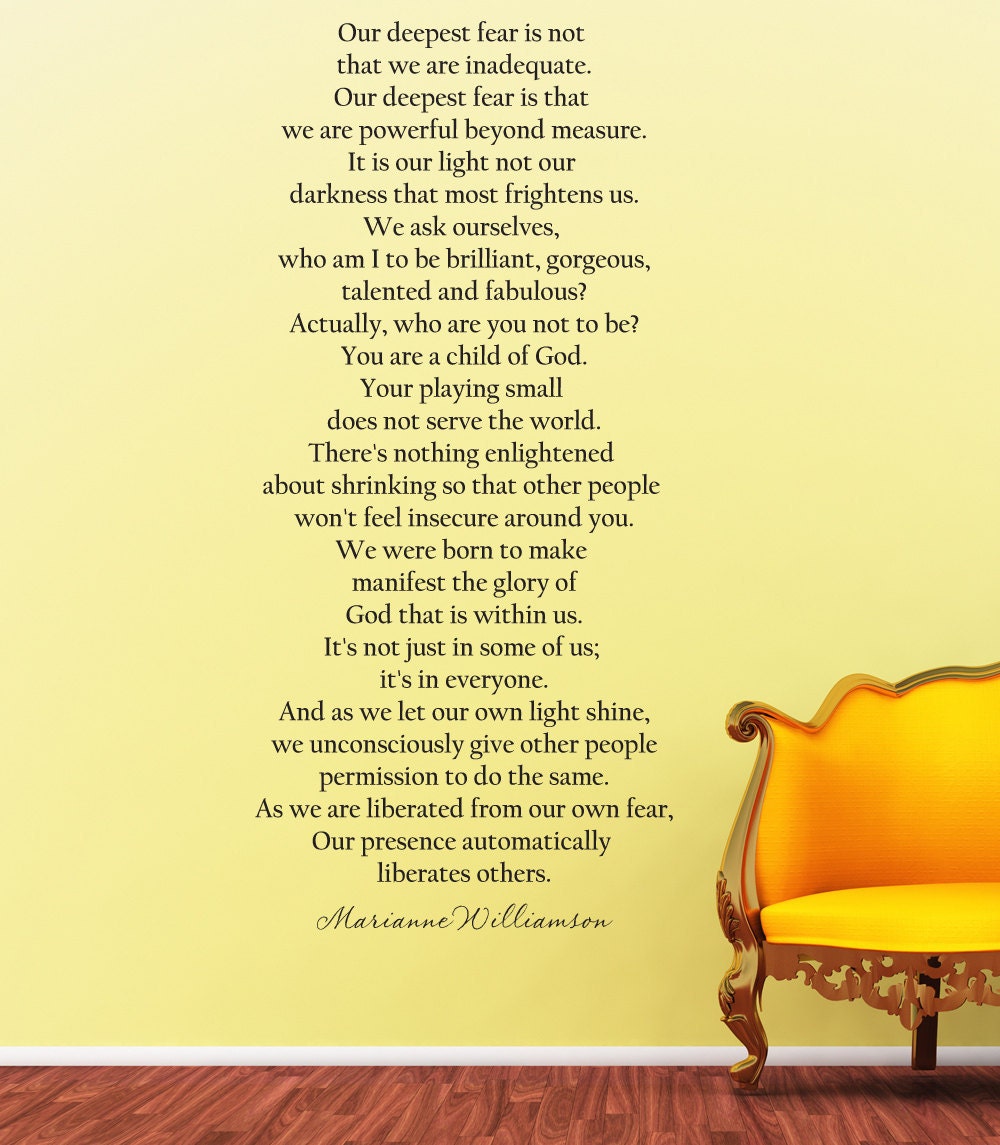
And yet, that is what we so often do. In this extended season of Epiphany, the season of light, we are reminded that it is not darkness that we are really afraid of. It’s the light. Darkness is comfortable – it covers a multitude of sins. It gives us an excuse to NOT to live into who God is calling us to be. But, as Marianne Williamson wrote in her poem “Our Deepest Fear:”
We were born to make manifest
The glory of God that is within us.
This year, in the New Jersey Synod’s yearly February retreat for high school youth at LBI, the theme is “Mine” – the fact that we belong to God enables us to navigate an often scary and unsafe world, knowing that our God walks with us. Each of our young people are lights shining out in the darkness every day, in the midst of bullying, drugs and alcohol, challenges at home or school, navigating social media, and growing into who God has created them to be. And they need our support and example now more than ever.
We too can let our light shine into the darkness that is in our own lives and in the lives of others. It does not have to be complicated or heroic. Just the normal, regular, everyday light-shining of love will do.
Here is the entire poem:
“In the same way, Let your light shine before others, so that they may see your good works and glorify you Father in heaven.” Matthew 5:16
I remember coming across this verse as a teenager and instantly loving it. For me, this verse told me that the light of God was in me, shining out. And yet, at the same time, this verse frightened me a little bit. For a shy, introverted teenager the thought of shining out and attracting attention scared the dickens out of me. But I still liked this verse, and even used it as my confirmation verse. Because it reminded me that the light does not come from being and doing good. It is through what I do that shows God’s light shining within me. And light is meant to be shone. It would not make any sense to turn on a lamp and then through a blanket over it.
And yet, that is what we so often do. In this extended season of Epiphany, the season of light, we are reminded that it is not darkness that we are really afraid of. It’s the light. Darkness is comfortable – it covers a multitude of sins. It gives us an excuse to NOT to live into who God is calling us to be. But, as Marianne Williamson wrote in her poem “Our Deepest Fear:”
We were born to make manifest
The glory of God that is within us.
This year, in the New Jersey Synod’s yearly February retreat for high school youth at LBI, the theme is “Mine” – the fact that we belong to God enables us to navigate an often scary and unsafe world, knowing that our God walks with us. Each of our young people are lights shining out in the darkness every day, in the midst of bullying, drugs and alcohol, challenges at home or school, navigating social media, and growing into who God has created them to be. And they need our support and example now more than ever.
We too can let our light shine into the darkness that is in our own lives and in the lives of others. It does not have to be complicated or heroic. Just the normal, regular, everyday light-shining of love will do.
Here is the entire poem:
Tuesday, January 7, 2014
First sermon of the year - Epiphany
Grace and peace to you from God our father and from our Lord and savior Jesus the Christ. Amen.
Happy 2014! How is it going so far? Did you stay up to watch the ball drop? Or did you turn in early, confident that the New Year would arrive when you woke up?
Are you where you thought you would be one year ago? Five years ago? Ten years ago? Is your life in the shape that you expected it to be, or has the dawn of 2014 found you on a road that you did not expect to be traveling? Did you wake up one day and – bang! - find that the ball had dropped and a new day had dawned, and everything you thought you had planned went straight out the window?
Tomorrow is the twelfth day of Christmas, or the celebration of what Christians around the world call the day of Epiphany. The day of Epiphany is when the light of the star rested on the place where Jesus was, where the wise men were able to find him, which we are celebrating today. While the rest of the world has already finished up its after-Christmas sales and New Year’s parties, are cleaning up and putting away the Christmas lights and decorations, today we are observing the final element to the Christmas story. Today we too pay homage to a God who so often comes into our world as a blazing light, surprising us in our darkness, and changing our lives forever.
I think God must have been like this from the very beginning, when God created light to shine out in the dark universe. Just one little sentence, “Let there be light,” changed the entire universe, revealing the mystery of creation for all time. Darkness would no longer reign. The world would never be the same again.
I sort of makes me think of the Big Bang theory. Actually, I don’t mean the scientific theory that states that the creation of the universe came from the explosion of everything pressed into one infinitely small space. I’m thinking of my husband’s favorite show, The Big Bang theory, about a group of super-intelligent but super-socially awkward guys whose lives are completely changed when a beautiful and blond actress-wannabe moves into the apartment next door. One minute, experimental physicist Leonard and theoretical scientist Sheldon are strolling up the stairs to the apartment they share and – bang! – they meet their new neighbor Penny. And from this one chance encounter, instead of a universe, a wildly successful seven season television sitcom is born.
Fortunately for CBS, sometimes unfortunately for us, big bangs seem to be how God works. One minute we are going along in life, traveling the path that we think we have mapped out for us, when we have our own personal Big Bang moments. It can happen to anyone, at any time.
Take King Herod, for example. He seemed to have everything going for him – the support of Rome, wealth from cruelly taxing his own people, political security from murdering members of his own family, a legacy in architectural grandeur, religious influence by following Judaism only when he felt like it. This man Rome named “King of the Jews” had it pretty good.
And then one day, which dawned just like any other day, he receives some unexpected and unwanted visitors.
There were foreigners, wise men, wandering in Jerusalem, and they were asking for the King of the Jews. But they weren’t looking for Herod.
Take these wise men, as well. They had left positions of esteem and influence in their native countries to make a long and perilous journey, thousands of years before the ease of cars and airplanes. These well-educated and well-respected scholars, the experimental physicists and theoretical scientists of their age, left everything familiar to follow a star that would take them to worship a newborn king in a foreign land.
Jesus was a Big Bang moment for both King Herod and the wise men, but their reactions could not have been more different. Herod, and all Jerusalem, were terrified at the news of the birth of this new King. For them, darkness and preserving their own power were more desirable and convenient, so the news of the arrival of God’s light on earth struck fear into their hearts.
For the wise men, the announcement drew them far out of their comfort zones, but at the same time compelled them to follow a divine star to a land far away to worship this king of the Jews.
In T.S. Eliot’s famous poem called “The Journey of the Magi”, Eliot imagines one them recounting his harrowing trek many years later. This wise man wonders: “were we lead all that way for birth or death? There was a birth, certainly, we had evidence and no doubt. I have seen birth and death, but had thought that they were different; this birth was hard and bitter agony for us, like death, our death.” We might easily imagine that for them, and for the whole world, life would never be the same.
A ball of light drops and the world calls it the New Year. We make resolutions and later break them. We make plans and have visions of the future that don’t always turn out as we expect them to. We, like the wise men of old, travel by a road different than the one we thought we would be traveling. Life changes after an encounter with the light of Christ.
Most of us I think can speak from experience about the big bangs and the little detours that God placed in our lives. I know I have a few from the last few years, both big bangs and small seeming detours. Just recently, before celebrating the New Year with some friends to watch the festivities in New York in the comfort of the indoors, my husband and I stopped for a vigil for peace at the Trenton Quaker house. He had read about the vigil in the information about Patriot Week in Trenton, hidden among the listings for battle reenactments and other festivities. As we walked into the dark, sparse meeting room at the Quaker house, each of us were given a small flameless LED candle to hold.
Quakers worship a little differently than most. At this peace vigil, there was no scripture read or hymns sung or sermon preached. Every once in a while, one of us would speak into the darkness – some spoke about seeking peace in the wider world, and some about seeking peach within ourselves. But most of time was spent in silence, in the small light of the flickering LED candles. In those times of silence, I prayed for the peace of the city right outside the door, which could be seen in the darkness outside the window of the Trenton Quaker house. A city that is shrouded in darkness, and can use all the light that it can get. A city that now my husband and I call home.
In 2011 as I finished up my seminary degree in St. Paul MN, I would never have guessed in a million years that the end of 2013 would find me in a three hundred year old Quaker meeting house in Trenton. Nor would I ever have imagined that in 2014 this Wisconsin girl would be looking forward to my second ordination anniversary while serving a fabulous church in central New Jersey. They may say that the devil is in the details, but I think I may safely saw that it is God that is in the detours.
But no matter where the dawning of 2014 finds you, whether on the main road you imagined, off the beaten path, seemingly lost on a detour, stuck in a rut or in the ditch, dawn will come and the light of risen Christ will shine upon you. For even the darkest night is dispelled with the rays of the rising sun.
At Christmas we celebrate the birth of Jesus, that light of hope in our lives. At Epiphany we rejoice that this light has exploded out to shine on all people, in all places and times. For in Jesus the light of God’s love has dawned upon us, to show us the way of peace. And in each of us that light burns brightly and will never be extinguished. And we will never be the same. Amen.
Happy 2014! How is it going so far? Did you stay up to watch the ball drop? Or did you turn in early, confident that the New Year would arrive when you woke up?
Are you where you thought you would be one year ago? Five years ago? Ten years ago? Is your life in the shape that you expected it to be, or has the dawn of 2014 found you on a road that you did not expect to be traveling? Did you wake up one day and – bang! - find that the ball had dropped and a new day had dawned, and everything you thought you had planned went straight out the window?
Tomorrow is the twelfth day of Christmas, or the celebration of what Christians around the world call the day of Epiphany. The day of Epiphany is when the light of the star rested on the place where Jesus was, where the wise men were able to find him, which we are celebrating today. While the rest of the world has already finished up its after-Christmas sales and New Year’s parties, are cleaning up and putting away the Christmas lights and decorations, today we are observing the final element to the Christmas story. Today we too pay homage to a God who so often comes into our world as a blazing light, surprising us in our darkness, and changing our lives forever.
I think God must have been like this from the very beginning, when God created light to shine out in the dark universe. Just one little sentence, “Let there be light,” changed the entire universe, revealing the mystery of creation for all time. Darkness would no longer reign. The world would never be the same again.
I sort of makes me think of the Big Bang theory. Actually, I don’t mean the scientific theory that states that the creation of the universe came from the explosion of everything pressed into one infinitely small space. I’m thinking of my husband’s favorite show, The Big Bang theory, about a group of super-intelligent but super-socially awkward guys whose lives are completely changed when a beautiful and blond actress-wannabe moves into the apartment next door. One minute, experimental physicist Leonard and theoretical scientist Sheldon are strolling up the stairs to the apartment they share and – bang! – they meet their new neighbor Penny. And from this one chance encounter, instead of a universe, a wildly successful seven season television sitcom is born.
Fortunately for CBS, sometimes unfortunately for us, big bangs seem to be how God works. One minute we are going along in life, traveling the path that we think we have mapped out for us, when we have our own personal Big Bang moments. It can happen to anyone, at any time.
Take King Herod, for example. He seemed to have everything going for him – the support of Rome, wealth from cruelly taxing his own people, political security from murdering members of his own family, a legacy in architectural grandeur, religious influence by following Judaism only when he felt like it. This man Rome named “King of the Jews” had it pretty good.
And then one day, which dawned just like any other day, he receives some unexpected and unwanted visitors.
There were foreigners, wise men, wandering in Jerusalem, and they were asking for the King of the Jews. But they weren’t looking for Herod.
Take these wise men, as well. They had left positions of esteem and influence in their native countries to make a long and perilous journey, thousands of years before the ease of cars and airplanes. These well-educated and well-respected scholars, the experimental physicists and theoretical scientists of their age, left everything familiar to follow a star that would take them to worship a newborn king in a foreign land.
Jesus was a Big Bang moment for both King Herod and the wise men, but their reactions could not have been more different. Herod, and all Jerusalem, were terrified at the news of the birth of this new King. For them, darkness and preserving their own power were more desirable and convenient, so the news of the arrival of God’s light on earth struck fear into their hearts.
For the wise men, the announcement drew them far out of their comfort zones, but at the same time compelled them to follow a divine star to a land far away to worship this king of the Jews.
In T.S. Eliot’s famous poem called “The Journey of the Magi”, Eliot imagines one them recounting his harrowing trek many years later. This wise man wonders: “were we lead all that way for birth or death? There was a birth, certainly, we had evidence and no doubt. I have seen birth and death, but had thought that they were different; this birth was hard and bitter agony for us, like death, our death.” We might easily imagine that for them, and for the whole world, life would never be the same.
A ball of light drops and the world calls it the New Year. We make resolutions and later break them. We make plans and have visions of the future that don’t always turn out as we expect them to. We, like the wise men of old, travel by a road different than the one we thought we would be traveling. Life changes after an encounter with the light of Christ.
Most of us I think can speak from experience about the big bangs and the little detours that God placed in our lives. I know I have a few from the last few years, both big bangs and small seeming detours. Just recently, before celebrating the New Year with some friends to watch the festivities in New York in the comfort of the indoors, my husband and I stopped for a vigil for peace at the Trenton Quaker house. He had read about the vigil in the information about Patriot Week in Trenton, hidden among the listings for battle reenactments and other festivities. As we walked into the dark, sparse meeting room at the Quaker house, each of us were given a small flameless LED candle to hold.
Quakers worship a little differently than most. At this peace vigil, there was no scripture read or hymns sung or sermon preached. Every once in a while, one of us would speak into the darkness – some spoke about seeking peace in the wider world, and some about seeking peach within ourselves. But most of time was spent in silence, in the small light of the flickering LED candles. In those times of silence, I prayed for the peace of the city right outside the door, which could be seen in the darkness outside the window of the Trenton Quaker house. A city that is shrouded in darkness, and can use all the light that it can get. A city that now my husband and I call home.
In 2011 as I finished up my seminary degree in St. Paul MN, I would never have guessed in a million years that the end of 2013 would find me in a three hundred year old Quaker meeting house in Trenton. Nor would I ever have imagined that in 2014 this Wisconsin girl would be looking forward to my second ordination anniversary while serving a fabulous church in central New Jersey. They may say that the devil is in the details, but I think I may safely saw that it is God that is in the detours.
But no matter where the dawning of 2014 finds you, whether on the main road you imagined, off the beaten path, seemingly lost on a detour, stuck in a rut or in the ditch, dawn will come and the light of risen Christ will shine upon you. For even the darkest night is dispelled with the rays of the rising sun.
At Christmas we celebrate the birth of Jesus, that light of hope in our lives. At Epiphany we rejoice that this light has exploded out to shine on all people, in all places and times. For in Jesus the light of God’s love has dawned upon us, to show us the way of peace. And in each of us that light burns brightly and will never be extinguished. And we will never be the same. Amen.
Subscribe to:
Posts (Atom)